 Ushuaia City Guide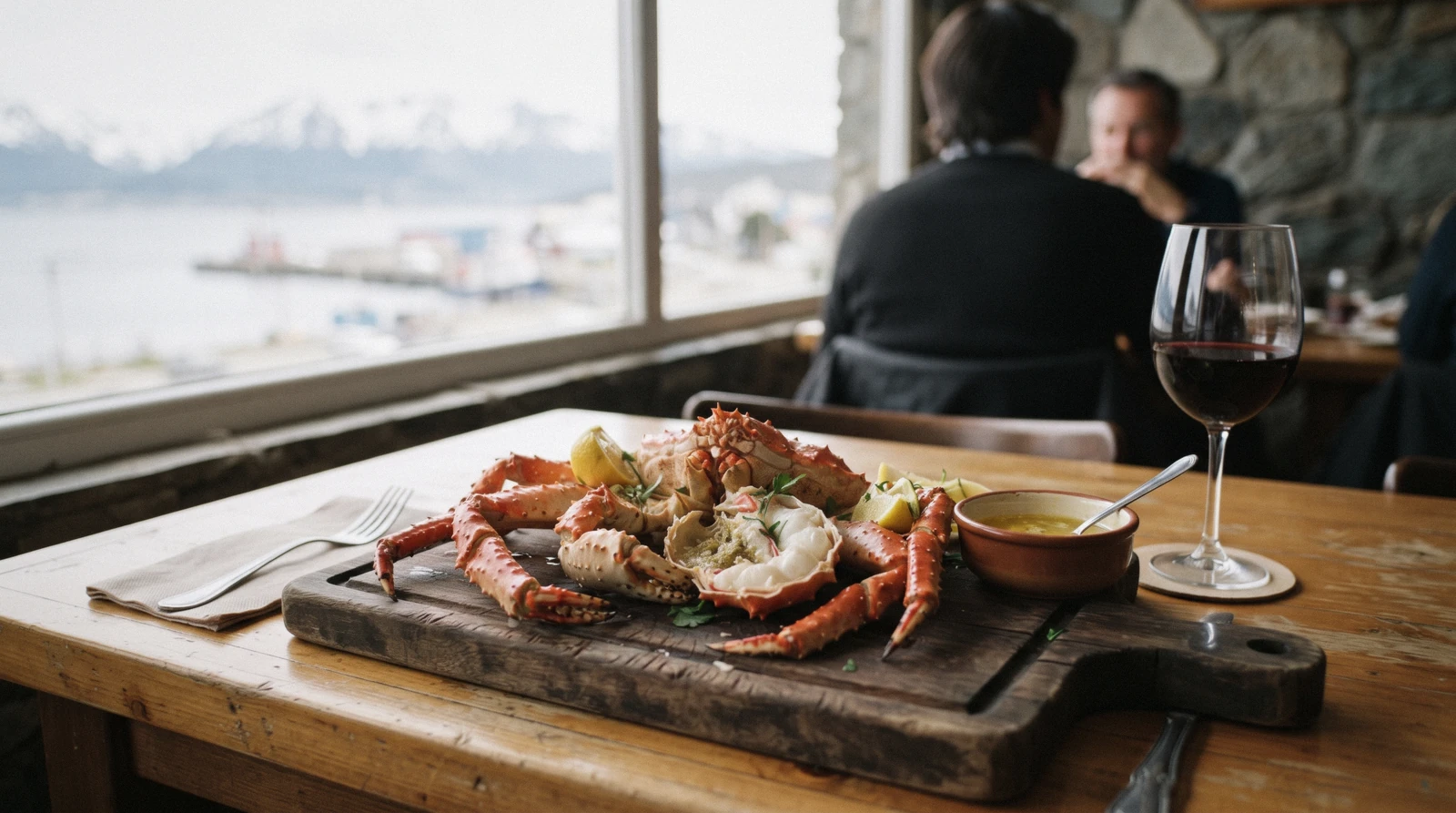
Where to Eat in Ushuaia: King Crab and Beyond
Where to eat in Ushuaia comes down to two streets, one crab and a set of prices nobody publishes. This guide maps the dish the town runs on, the roads to walk and the cheaper ways to fill a plate, with the wider planning picture in our Ushuaia planner. The whole guide starts on the Ushuaia city guide.
Quick answer The short version on eating in Ushuaia
Centolla, the southern king crab, is the dish Ushuaia is known for, and the restaurant strip runs along Avenida San Martín and Maipú in the centre. Visitor reports put a main meal out at roughly $25 to $60 per head, a band we flag because no official price list exists. Self-catering from supermarkets is the budget answer. Plan the rest of your day with our two-day itinerary and see what everything else costs in our Ushuaia costs page.
Key takeaways
- Centolla is the signature dish. It is served al ajo (in garlic), gratinada (gratinated) or natural. Check the chalkboard price per 100 g before you sit.
- Expect roughly $25 to $60 per head at visitor-report level for a sit-down dinner. That figure is a reported band, not an official price. Full budget maths sit in /ushuaia-costs/.
- San Martín is the tourist strip. Maipú one block over is the more local-facing street, with Roca's side streets behind both.
- Kitchens close early by big-city standards. Fit dinner around your daytime plans from /things-to-do/.
Centolla: The Dish the Town Runs On
Ushuaia sits on the Beagle Channel, and the channel produces the crab that dominates every menu in town. Understanding centolla, and the gap between what it costs at the market and what it costs on a plate, is the single most useful piece of food knowledge a visitor can carry.
What Centolla Actually Is
Centolla is Lithodes santolla, the southern king crab. It lives in the cold water of the Beagle Channel and the South Atlantic, and Ushuaia's fishing fleet has landed it for decades. The crab is big, spidery and red when cooked, with long legs full of sweet white meat.
A whole centolla is a shared plate for two people in most rooms. Ordering one is the closest thing Ushuaia has to a food ritual, and most visitors who ask where to eat in Ushuaia are really asking where the best crab is.
How It Is Served
Three preparations appear on almost every menu. Centolla al ajo comes in garlic and oil, simple and hot. Centolla gratinada is baked under a cheese or breadcrumb crust, richer and heavier.
Centolla natural is the meat served plain, sometimes with lemon, letting the crab speak for itself. There are also soups and stews built on crab, and crab meat folded into omelettes or over salads. If you want the cleanest read on quality, our pick is natural: there is nowhere for an old crab to hide.
The Price Nobody Publishes
Here is the honest part. No official body publishes centolla prices in Ushuaia. Not the municipality, not the tourist office, not the fishing cooperative.
What exists is a market price for whole crabs and a plate price in restaurants, and the gap between them is where your dinner money goes. Visitor reports consistently describe market crab as a fraction of the restaurant price, which is normal in port towns everywhere, but we cannot quote you either figure at an official level because neither is stated anywhere we can verify. Treat any exact number you read online, including ours, as a snapshot that ages fast.
What Visitors Report Paying
Aggregating recent visitor reports, a sit-down dinner built around centolla lands most people at roughly $25 to $60 per head, depending on the room, the preparation and how much wine is involved. We flag this clearly: it is a reported band from travellers, not an official price. Prices move with the crab season, the exchange rate and the seasonality of tourism.
The exchange rate matters more than most visitors expect, because card payments and cash clear at different rates in Argentina. Our costs page explains that mechanism for every expense, not just dinner.
Season and Supply
The centolla fishery in Fuegian waters has management rules and closed periods to protect the stock. Supply through the year is not stated in any public document we could verify, so we will not pretend to a season calendar. What we can say is practical: crabs arrive fresh when the boats land, and in a town of this size the turnover is fast enough that frozen crab is the exception rather than the rule in the busier rooms.
If a chalkboard says the price moved since last week, believe it. Prices genuinely do move here, and a venue that admits it is usually telling the truth about freshness too.
How to Order Without Getting Burned
Three habits serve you well. First, check the chalkboard before you sit, because many rooms write the centolla price per 100 grams and the arithmetic only becomes clear when the crab is weighed. Second, ask the weight before ordering a whole crab, so there is no surprise when the bill arrives.
Third, ask whether the price is per crab or per person for shared plates. None of this is hard selling. It is how the port trade has always worked, and the staff expect the question.
No official price source exists for Ushuaia restaurant prices. Dish and preparation descriptions are general culinary knowledge. The visitor-report price band is flagged as such in the text. For the exchange-rate context see /ushuaia-costs/.
The Two Streets to Walk
Answering where to eat in Ushuaia is mostly a question of which street you are standing on. The town's eating geography is simple: two parallel avenues in the centre carry almost everything, and the side streets behind them carry the rest.
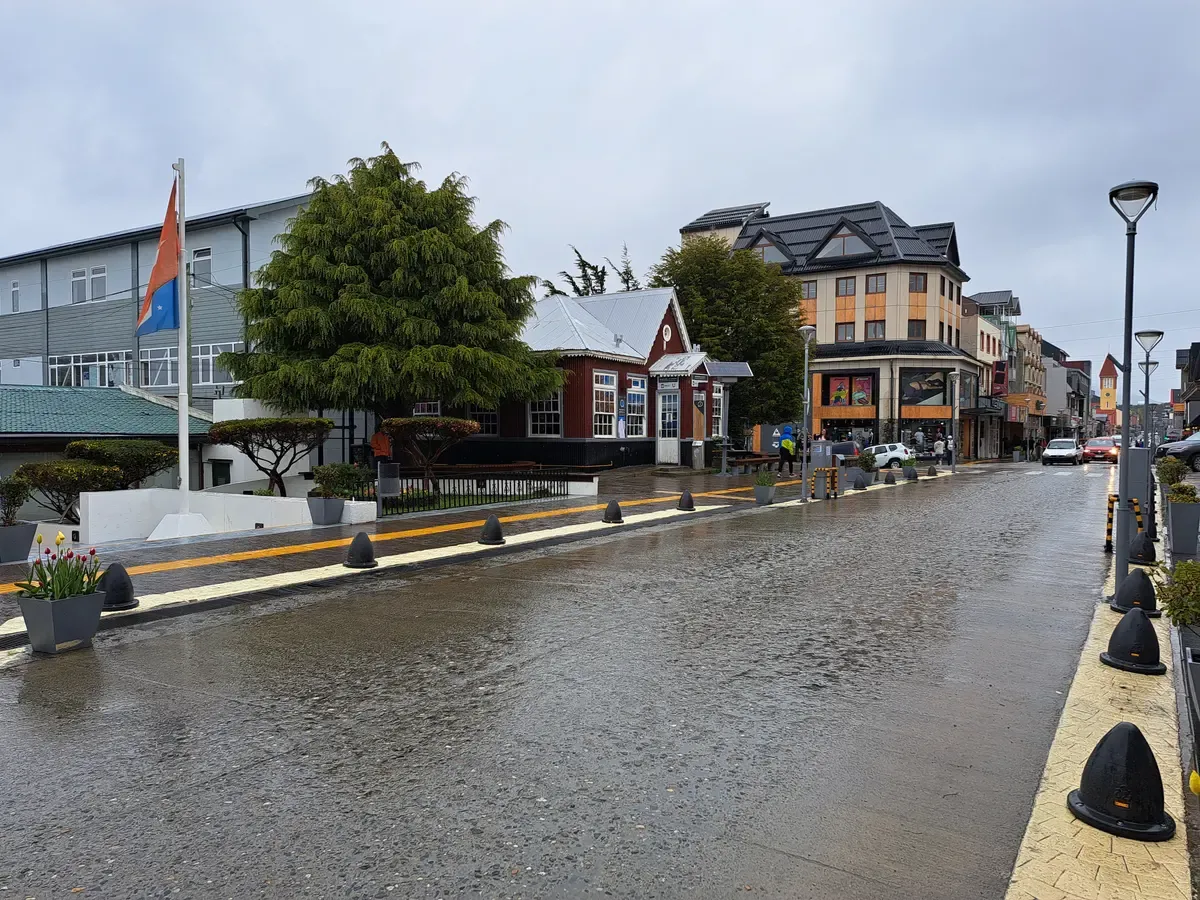
Avenida San Martin, the street most dinner walks start on. Photo: Raf24, CC BY 4.0, via Wikimedia Commons
Avenida San Martín: The Tourist Strip
Avenida San Martín is Ushuaia's main street and its restaurant row. It runs from the waterfront up through the commercial centre, and it is lined with the rooms that appear in every guidebook and every cruise-ship handout. Expect English menus, staff who speak enough English to take an order, centolla in all three preparations and prices pitched at visitors.
This is not a criticism. If it is your first night and you want the crab experience with no friction, San Martín delivers it. The tourist information office itself sits on this street at San Martín 674, open daily roughly 8:30 to 20:30, so you can pick up a map and walk the strip in one loop.
Maipú: One Block Over, More Local
Maipú runs parallel to San Martín, closer to the water, and the tone shifts by a block. The rooms here are smaller, the menus are shorter and the client mix includes more Argentine travellers and port workers. Maipú also carries two of the town's museums, the Museo del Fin del Mundo at Maipú 173 and its annex at Maipú 465, which makes it a natural street to combine lunch with a museum morning.
Our estimate is that the price-to-plate ratio improves as you move from San Martín toward Maipú, but that is our judgement, not a measured fact.
Roca and the Side Streets
Behind the two avenues, streets such as Roca hold the third tier: neighbourhood parrillas, bakeries, quick lunch counters and the sort of room where the menu is a laminated sheet and nobody translates it. This is where a self-caterer picks up empanadas and where locals eat on a weekday. The concentration thins out quickly away from the centre, and there is no real reason to hunt for dinner outside the San Martín and Maipú grid unless you are staying out toward the airport side of town.
What to Look For on the Walk
The single most useful signal is the chalkboard. Ushuaia rooms that sell centolla by weight write the price per 100 grams out front, and the number changes. A room confident in its crab shows the number and the date's weight.
A room that hides the price behind a host with a menu is not necessarily cheating you, but the comparison shopping happens on the street, not at the table. Walk the length of San Martín, drop down to Maipú, and compare three or four boards before you commit. It takes twenty minutes and it is the difference between a fair dinner and an expensive one.
For the full street layout, see /ushuaia-map/.
What No Official Page Publishes
We checked what the official channels say about dining and the answer is close to nothing. The municipal tourism site lists general information and excursions but publishes no restaurant list, no price guide and no hygiene ratings we could verify. There is no official centolla price, no published menu del día price and no official word on tipping.
Every figure on this page that relates to restaurant pricing comes from visitor reports, and we have marked it that way throughout.
Street layout and office location follow the official tourism site turismoushuaia.com. Museum addresses come from the Museo del Fin del Mundo pages. No official restaurant price source exists.
Beyond the Crab
Centolla gets the headlines, but the food map of Tierra del Fuego has more on it. Lamb from the inland estancias, trout from the lakes and rivers, a berry that grows nowhere else in the same way, and a craft beer scene that has grown with tourism.
Cordero Fueguino: The Lamb of the Island
Tierra del Fuego is sheep country as much as crab country. The estancias that spread across the island's steppe have raised sheep since the late nineteenth century, and cordero fueguino, slow-roasted over an open spit, is the dish that comes out of it. The meat is smaller and more strongly flavoured than lowland lamb, and the traditional cook is long: hours over the fire, salt and patience.
You will find it at parrillas in town and, more memorably, at estancia lunches on day trips. Several full-day excursions into the island's interior build their lunch around an asado, and you can compare them in /day-trips/.
Trucha Arcoíris: The Rainbow Trout
The cold lakes and rivers of Tierra del Fuego hold rainbow trout and brown trout, introduced decades ago and now firmly part of the local kitchen. Trucha arcoíris appears on most menus grilled whole or as fillets, usually with simple sides. It is generally the lighter option on a Fuegian menu and a sensible order if crab prices look heavy on a given day.
Anglers can fish the same waters under licence, which is its own trip rather than a dinner plan.
Calafate: The Berry and the Sour
The calafate berry grows on a spiny shrub across Patagonia and Tierra del Fuego. It is dark blue, tart and made into jam, liqueur and dessert sauces. Local legend says anyone who eats a calafate berry returns to Patagonia, which is as good a piece of marketing as any port town has invented.
The drink version is the calafate sour: calafate liqueur shaken with pisco, lime and sugar, in the style of the Peruvian and Chilean pisco sour. It appears on most bar menus in town and makes a reasonable finish to a crab dinner.
Craft Beer at the End of the World
Ushuaia's craft beer scene has grown with visitor numbers, and brewpubs now cluster around the centre within a short walk of San Martín. The styles lean toward amber ales and stouts, which suit the climate, and several rooms brew on site. We will not name venues without a citable source, but the scene is easy to find: walk San Martín in the evening and the taprooms announce themselves.
No official listing of breweries exists that we could verify.
Chocolate
Patagonia's chocolate tradition runs the length of the Andes, and Ushuaia has its share of chocolate shops in the centre, selling bars, hot chocolate and alfajores. It is a souvenir as much as a snack, and the shops sit on the same tourist grid as the restaurants. Prices are not stated anywhere official.
Our estimate is that a hot chocolate stop is one of the cheaper ways to warm up between museum visits on a cold afternoon.
Dish descriptions are general culinary knowledge of the region. The calafate legend is folklore. No official price or venue listing exists for any category on this section.
Eating on a Budget
Ushuaia is an expensive town by Argentine standards, and eating out three times a day adds up fast. The budget answer is not a secret room on a side street. It is the supermarket, and it works.
The Self-Catering Reality
Ushuaia has full-service supermarkets in and near the centre, and most places to stay include kitchen access. Self-catering breakfast and one meal a day, then eating out once, is the pattern many longer-stay travellers settle into. We will not quote supermarket shelf prices because none are published at an official level and they move with the exchange rate faster than any web page can track.
What we can say is structural: Argentina subsidises some staples and taxes others, imported goods carry a heavy premium, and the practical rule is to buy Argentine brands and cook from the basics. Our costs page puts restaurant spending alongside accommodation and excursions so you can see where the money actually goes.
Menu del Día: The Lunch That May Not Exist
In much of Argentina, the menú del día, a fixed-price workday lunch, is the budget traveller's best friend. Whether Ushuaia's centre sustains a real menú del día culture is not stated in any source we could verify, and we will not invent one. The honest position: ask at lunchtime.
Rooms that offer a fixed lunch write it on the board outside. If nobody in town is doing it the week you visit, the fallback is the empanada.
Empanadas and the Counter Lunch
Empanadas are the reliable cheap eat all over Argentina, and Ushuaia is no exception. Bakeries and quick counters on the side streets sell them by the unit, to eat walking or to take back to your room. A couple of empanadas plus fruit from the supermarket covers a light lunch for a few dollars, by our sum, though we will not print a price because none is published.
For a day built around walking, this pairs well with the free sights in /ushuaia-in-1-day/.
Our Sums for a Day of Eating
Here is our arithmetic, clearly labelled as ours. Self-catered breakfast from a supermarket plus a counter lunch plus one sit-down dinner in the reported $25 to $60 band gives a daily food figure of roughly $35 to $70 per person, depending on the dinner. Compare that against the headline excursions: a half-day national park tour or an evening on the water costs about the same as one good dinner.
The point is not that food is cheap. It is that food is one of the few costs in Ushuaia you can compress without losing the trip.
No official supermarket or restaurant price source exists. The daily food range in this section is our own arithmetic built on the visitor-report dinner band, flagged in the text.
With Children
Eating out with children in Ushuaia is easier than in much of Argentina, for one simple reason: the town runs on early hours. Kitchens that would serve until midnight in Buenos Aires wind down here.
Early Hours Work in Your Favour
Argentine dinner culture runs late, often past 21:00 in the big cities. Ushuaia bends toward the clock of tours, boats and early sunsets, so families eating at 19:00 or 19:30 are not eating in an empty dining room the way they might elsewhere in the country. Exact kitchen hours per venue are not stated officially anywhere we could verify, so build dinner for the early evening and treat anything after 21:00 as a bonus rather than a plan.
Parrilla Comfort Food
The parrilla is the family-friendly default. Grilled chicken, chorizo, beef and simple sides need no translation, and children who eat nothing adventurous are safe with a parrillada order. Trout fillets are the other easy win.
Centolla can be a fun adventure for older kids, since cracking the legs is part of the entertainment, but a whole crab is a two-person plate and a fussy younger child may prefer to share your pasta instead.
Planning the Day Around Food and Excursions
The practical family rhythm is a big lunch after a morning activity and an early, lighter dinner. Most day trips that include lunch build it around lamb or barbecue, which suits children well. Our page on Ushuaia with kids covers the rest of the family picture, from penguin trips that keep short attention spans to winter snow days.
No official opening-hours source exists for Ushuaia restaurants. The early-hours pattern is general observation flagged as such. Family planning links to /ushuaia-with-kids/.
Dos and Don'ts for Eating in Ushuaia
Six habits separate a fair dinner from an expensive one in this town. None of them require reservations or local contacts, because booking ahead is not really how the strip works.
Do
- Do not book anything for dinner. Walk the strip and choose on the night. Rooms hold tables and the competition between them works in your favour.
- Do check the chalkboard price per 100 grams for centolla before you sit down.
- Do ask the crab's weight before ordering a whole centolla, so the bill holds no surprises.
- Do carry some cash as a backup. Cards are widely accepted but the rate you are charged depends on how you pay, which our costs page explains.
- Do plan dinner early, around 19:00 to 20:00, especially with children or before an early tour.
Don't
- Do not expect late dinners. Kitchens wind down earlier than in bigger Argentine cities.
- Do not assume the menu price covers the whole crab. Ask whether the figure is per crab, per 100 g or per person.
- Do not skip the tip by accident. A tip of around 10 percent is the reported practice in sit-down rooms, though no official rule states it.
- Do not trust any fixed centolla price you read online, including here. Prices move with supply and the exchange rate.
Related Pages
Food is one line in a travel budget. These pages cover the rest of the planning picture around your meals.
Ushuaia Costs
The full money picture: accommodation, excursions, transport and how the exchange rate changes what you actually pay.
PlanningWhere to Stay
Neighbourhoods and booking reality, including which places put you a block from the restaurant strip and which include a kitchen.
PlanningThings to Do
The activity list to build your days around, so lunch and dinner land where the day already is.
ActivitiesPlan Your Trip
The hub page that ties together when to come, how to get there and how long to stay.
PlanningWhere to Eat in Ushuaia: Questions
How much does a centolla dinner cost in Ushuaia?
No official price exists. Recent visitor reports put a sit-down dinner built around centolla at roughly $25 to $60 per head, a band we flag because it moves with supply and the exchange rate. Check the chalkboard price per 100 grams on the night.
Which streets have the restaurants in Ushuaia?
Avenida San Martín is the main restaurant row, with the tourist-facing rooms and English menus. Maipú, one block toward the water, is smaller-scale and more local in feel. Side streets such as Roca hold neighbourhood parrillas and quick counters.
Do I need to book a restaurant in Ushuaia?
No. Our advice is to book nothing for dinner and walk the strip, comparing chalkboards as you go. The competition between rooms works in the walk-in customer's favour.
Is there a menu del día in Ushuaia?
Not stated in any source we could verify. In much of Argentina the fixed-price work lunch is standard, but we cannot confirm Ushuaia sustains one. Ask at lunchtime and watch the boards outside. Empanadas from a counter are the reliable fallback.
What time do people eat dinner in Ushuaia?
Earlier than in the rest of Argentina. Kitchens wind down early because tours and boats start at dawn, so a 19:00 to 20:00 dinner is normal and late-night dining should not be expected. Exact hours per venue are not published officially.
Can I eat cheaply in Ushuaia?
Yes, by self-catering. Supermarkets in the centre serve visitors staying in rooms with kitchens, and most accommodation offers them. Our sums put a day of self-catered breakfast, a counter lunch and one mid-band dinner at roughly $35 to $70 per person, but shelf prices are not published and move often.
Should I tip in Ushuaia restaurants?
A tip of around 10 percent is the reported practice at sit-down restaurants. No official rule or published standard exists, so treat it as customary rather than obligatory.
Eating in Ushuaia on Video
Three videos from independent travel creators showing the food scene, the streets and the dishes described on this page.
USHUAIA FOOD TOUR 🍽️😋 Where to EAT and What to Try in Ushuaia (Argentina's Southernmost City) 🇦🇷🦀
A food-focused walk through the town trying the dishes visitors ask about, including the crab.
Video: Samuel and Audrey - Travel and Food VideosExploring downtown Ushuaia, Argentina - Things to do (and eat!)
A street-level tour of the centre that shows the restaurant strip in context.
Video: Chiu+120 Places to Eat in Ushuaia: Our Restaurant Recommendations
A creators' shortlist of rooms across the town, useful for seeing the range beyond the crab.
Video: Viajante InveteradoWhat a Meal Costs, as Reported
Price bands for a sit-down meal, assembled from recent visitor reports because no official price list exists for restaurants; king crab is priced by weight and moves with the season. Treat these as orientation, not quotes.
| Meal | Reported band | What moves the price |
|---|---|---|
| Lunch, casual set or pasta | - | Tourist strip vs side street |
| Dinner, centolla main | - | Crab weight on the chalkboard |
| Self-catering, supermarket per person | - | Imported goods carry the premium |
Bands are visitor reports, not quotes. Figures current for 2026.
Book Around Dinner
The two cards that shape an evening: a sailing that ends at the right hour and the budget transfer that keeps the day cheap.
 from $66.30
Best seller
from $66.30
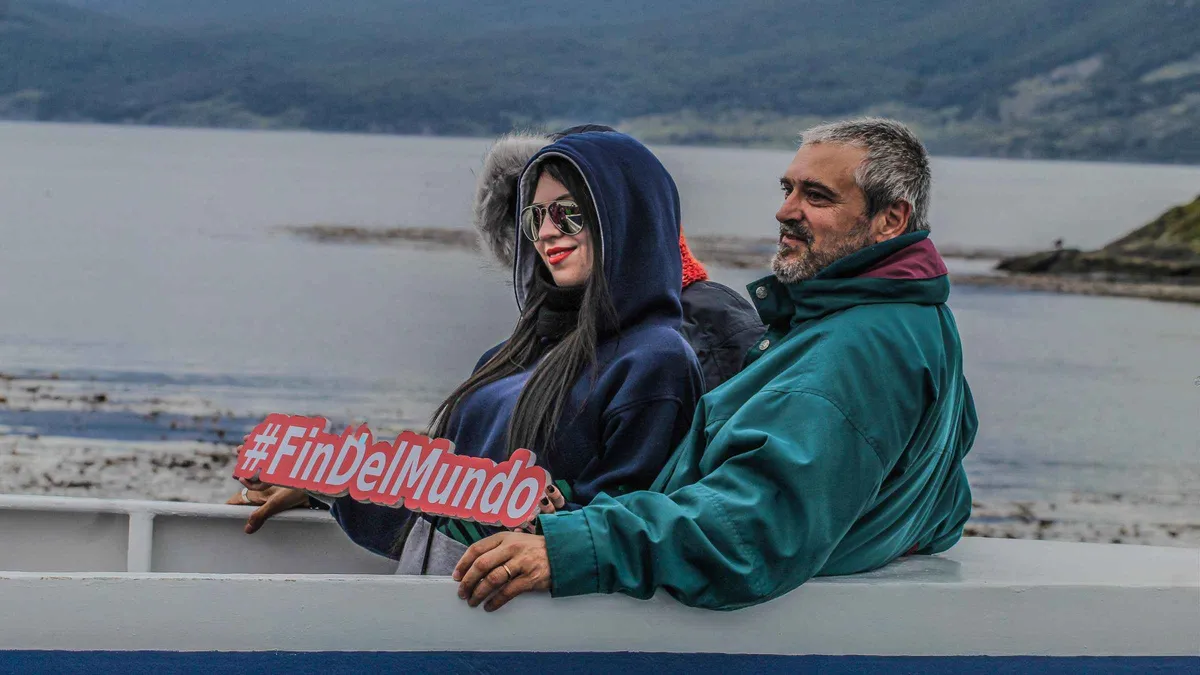
Best seller From Ushuaia: Beagle Channel Catamaran Cruise
The classic three-hour channel crossing to the sea lion colony at Isla de los Lobos and the bird islands, passing the Les Éclaireurs lighthouse. The shortest way to say you have sailed the Beagle Channel.
Check Availability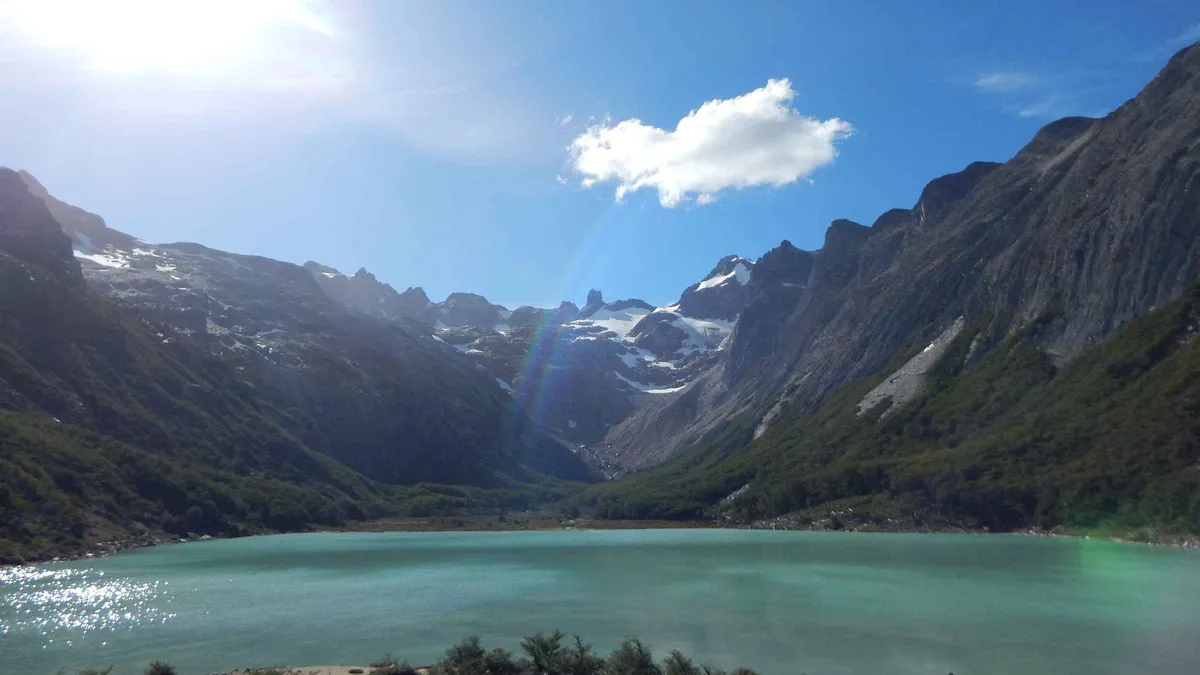 from $45
Budget
from $45
Budget Low Cost Esmeralda Lagoon Round Trip Transfer
Transfer only, no guide: they drop you at the trailhead and collect you at a set time. The cheapest legal way to walk to the lagoon if you are happy navigating alone.
Check AvailabilityPrices, ratings and details are the platform's own. dollar figures are the listed prices — the platform bills in your account's currency.
We may earn a commission if you book through one of our links, at no extra cost to you. Full affiliate disclosure